Wait, what’s the problem?
1. Racial Underrepresentation on Runways
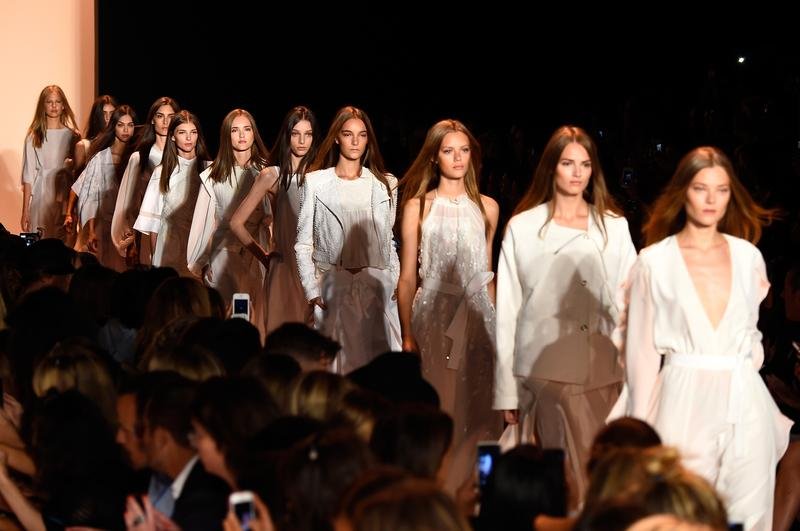
Black models remain significantly underrepresented compared to white models. For example, one analysis of major fashion weeks found that models of color (including Black models) made up only about 20–32% of runway castings, while white models still dominated runways in many shows.
2. Low Representation in Major Campaigns
Still, over 50% of major fashion campaigns feature only white models, showing how pervasive white dominance remains in visual media.
3. Industry Demographics
Across the fashion modeling world, Black or African American models constitute only about 13.4% of the total modeling workforce — a small share compared to white models at 66%.
4. Leadership & Decision-Making Power
Leadership in fashion remains non-diverse: about 15% of leadership roles in the fashion industry are held by women of color and a similar small share by executives from minority backgrounds. This lack of power at the top directly affects hiring, casting, and creative direction.
5. Tokenism vs. Real Inclusion
Progress in representation can mask ongoing issues: data shows a significant increase in diversity on certain runways but continued gaps in who gets high-profile roles and consistent work.
6. Consumer Perception vs. Industry Reality
Even though a majority of consumers (about 78%) feel fashion advertising does not represent them, the industry’s visual output still lags behind audience diversity.
7. Broader DEI Gaps
Many brands still don’t track diversity metrics or employ inclusion strategies earnestly — with only roughly 48% of fashion brands actively tracking DEI goals and 70% having no diverse representation in leadership.
8. Ongoing Bias and Inequality Indicators
While specific fashion pay gap numbers for Black models aren’t widely published by fashion houses, third-party modeling industry surveys suggest Black models can earn approximately 25% less per assignment compared to white models — underscoring economic disparities.